In recent years, lymphatic drainage has become a buzzword in wellness circles. Whether through massage, detox routines, or skincare, people are seeking ways to support the body’s natural cleansing systems. But, did you know that Traditional Chinese Medicine (TCM) has long addressed similar concepts, even if it doesn’t use the term “lymphatic system”?
Let’s explore how TCM understands and supports what modern medicine calls lymphatic drainage, through the lens of energetic flow, organ systems, and holistic wellness.
What Is the Lymphatic System? (In Western Medicine)
Before diving into the TCM view, it’s helpful to understand the lymphatic system’s function from a Western perspective:
- It maintains fluid balance in the body
- It removes cellular waste and toxins
- It supports immune function by transporting lymphocytes
- It filters lymph through lymph nodes
When the lymphatic system is sluggish, people may experience swelling (edema), fatigue, brain fog, recurrent infections, or even skin issues.
How Does TCM Understand “Lymph”?
While Traditional Chinese Medicine doesn’t directly identify a “lymphatic system,” it does have parallel ideas about fluid metabolism, immune defense, and energetic circulation. Here’s how some of these core concepts align:
1. Qi and Blood Flow
In TCM, health depends on the free flow of Qi (vital energy) and Xue (Blood) through the body’s channels (meridians). When Qi or Blood becomes stagnant, waste can accumulate, leading to swelling, inflammation, or fatigue—similar to the effects of poor lymphatic flow.
2. The San Jiao (Triple Burner)
This lesser-known but important organ system oversees the movement of fluids throughout the body. The Middle and Lower Burners are especially involved in transforming food and drink into usable nutrients and fluids, and then distributing or excreting them properly.
A dysfunctional San Jiao can result in dampness, a TCM diagnosis associated with heaviness, swelling, and fogginess—much like symptoms of a sluggish lymph system.
3. Spleen and Kidney Involvement
- The Spleen, in TCM, plays a central role in transforming food into Qi and transporting fluids. A weak Spleen fails to “raise the clear” and move fluids effectively, resulting in fluid retention or phlegm.
- The Kidneys are responsible for the “water pathways.” When Kidney Qi is weak, it can lead to fluid accumulation and immune weakness.
Supporting Lymph Drainage with TCM Approaches
1. Herbal Medicine
Several Chinese herbs help resolve dampness, move Qi, and promote fluid metabolism. Common examples include:
- Fu Ling (Poria) – Strengthens the Spleen, drains dampness, and calms the mind
- Yi Yi Ren (Job’s Tears) – Promotes urination and drains damp-heat
- Chen Pi (Aged Tangerine Peel) – Regulates Qi and transforms phlegm
- Ze Xie (Water Plantain) – Promotes urination and leaches out dampness
Note: Always consult a licensed herbalist or TCM practitioner before taking herbs.
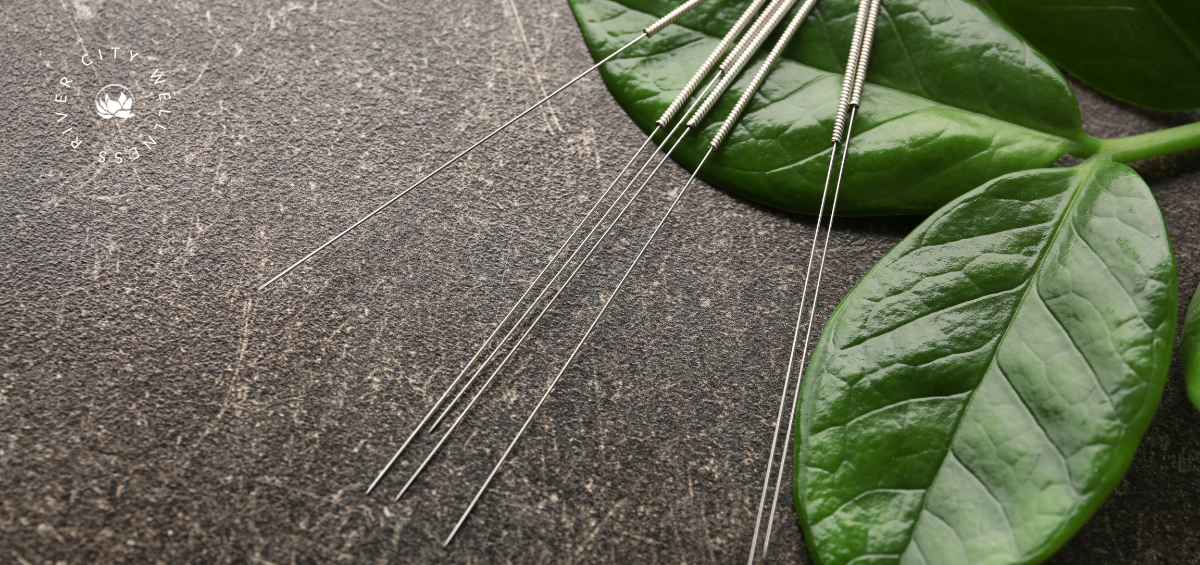
2. Acupuncture
Acupuncture is often used to:
- Stimulate Qi and fluid movement
- Strengthen the Spleen and Kidneys
- Resolve dampness and phlegm
- Support immune function
Common acupuncture points for lymphatic-like support include ST36 (Zusanli), SP9 (Yinlingquan), and CV12 (Zhongwan).
3. Gua Sha and Tui Na (Massage Therapies)
These hands-on therapies are similar to lymphatic massage and can:
- Move Qi and blood
- Break up stagnation
- Promote detoxification through the skin and tissues
Gua Sha, in particular, is often used along the neck and upper back to stimulate circulation and open the channels.
4. Diet and Lifestyle
From a TCM perspective, diet is medicine. To support healthy fluid metabolism:
- Avoid cold, raw, and greasy foods which can burden the Spleen
- Eat warm, cooked meals with foods like barley, ginger, and leafy greens
- Stay hydrated but avoid excessive cold drinks
- Incorporate gentle movement like Qi Gong or Tai Chi
Other Wellness Therapies to Support the Lymphatic System
1. Manual Lymphatic Drainage (MLD)
A gentle, rhythmic form of massage developed in Western medicine, MLD is designed specifically to:
- Stimulate lymph flow
- Reduce swelling (especially post-surgery)
- Detoxify tissues
How it pairs with TCM: Use after acupuncture or gua sha to enhance results, especially in cases of fluid retention or post-injury recovery.
2. Infrared Sauna or Steam Therapy
These therapies promote sweating, which is one of the skin’s natural elimination pathways.
- Infrared saunas penetrate deeper tissues, promoting circulation and detox
- Steam baths help open pores and release dampness through sweat
TCM view: Supports the Lung and San Jiao’s ability to regulate the skin and fluids, helping resolve “external damp.”
3. Dry Brushing
Using a natural-bristle brush, dry brushing:
- Stimulates superficial lymph vessels
- Promotes exfoliation and circulation
- Energizes the body
How to use: Brush in long, upward strokes toward the heart before showering. Follow with warm water and a grounding moisturizer (like sesame or ginger-infused oil).
4. Rebounding (Mini Trampoline)
Light bouncing on a rebounder activates lymph flow through gravitational pressure changes. Even 5–10 minutes a day can:
- Boost circulation
- Improve lymphatic drainage
- Stimulate metabolism
Great combo with: Morning Qi Gong or breathwork, for a circulation-focused start to the day.
5. Breathwork and Diaphragmatic Breathing
The diaphragm is a major lymph pump. Deep breathing enhances:
- Lymphatic circulation
- Vagus nerve activity (rest-and-digest state)
- Detoxification
Practice idea: Combine with TCM breathing exercises like Tu Na or modern breathwork like box breathing (inhale–hold–exhale–hold for equal counts).
6. Castor Oil Packs
Placing warm castor oil-soaked cloths over the abdomen or lymphatic regions (e.g., neck, armpits) can:
- Promote lymphatic flow
- Reduce inflammation
- Support liver detox
TCM synergy: Use over the Liver meridian area to help move Qi, or on the abdomen to support Spleen and digestion.
7. Hydration with Electrolytes
Lymph fluid is mostly water. Without adequate hydration, it thickens and moves sluggishly.
- Drink warm water throughout the day
- Add electrolytes (like lemon juice or a pinch of salt) to help fluid absorption
TCM note: Cold or iced drinks can hinder the Spleen’s function. Choose room temperature or warm water instead.
Final Thoughts
Though Traditional Chinese Medicine doesn’t name the lymphatic system outright, it offers a rich and nuanced framework for understanding and supporting the body’s fluid dynamics and detox pathways. Whether you’re addressing swelling, fatigue, or just looking to feel lighter and clearer, a TCM-based approach to lymphatic support can be both deeply effective and energetically aligned.
Call River City Wellness at (502) 822-0626 or schedule an appointment here to learn more about how Traditional Chinese Medicine can help you with lymphatic drainage. We offer a variety of different services, including acupuncture, cupping, herbal therapy, moxabustion, and lifestyle recommendations. We look forward to sharing a moment with you!